

Jan 08, 2026
Inside the Threshold
How entrance sequences shape the experience of every room that follows
The entrance is not a room. It is a preparation for rooms. The sequence of arrival — door, hall, corridor, the first threshold from which a space reveals itself — conditions everything that follows, priming the visitor's nervous system for the scale, the light, the emotional temperature of what comes next.
Carlo Scarpa understood this. His entrance to the Castelvecchio museum in Verona — a single compressed passageway that deposits you suddenly into a generous double-height gallery — is one of the most precisely engineered emotional manipulations in twentieth-century architecture. The compression, then the release. The darkness, then the light. It is a piece of choreography that has been analysed in architectural schools for fifty years without being exhausted.
Contemporary residential designers are returning to the entrance sequence with renewed interest. In a culture that fetishises the open-plan living space, the hall and corridor have often been the first casualties of the developer's appetite for net internal area. But the tide is turning. There is, among a significant cohort of thoughtful designers, a renewed attention to what happens between the door and the first room.
Photography — Studio Archive, Jan 08, 2026
More Stories
View All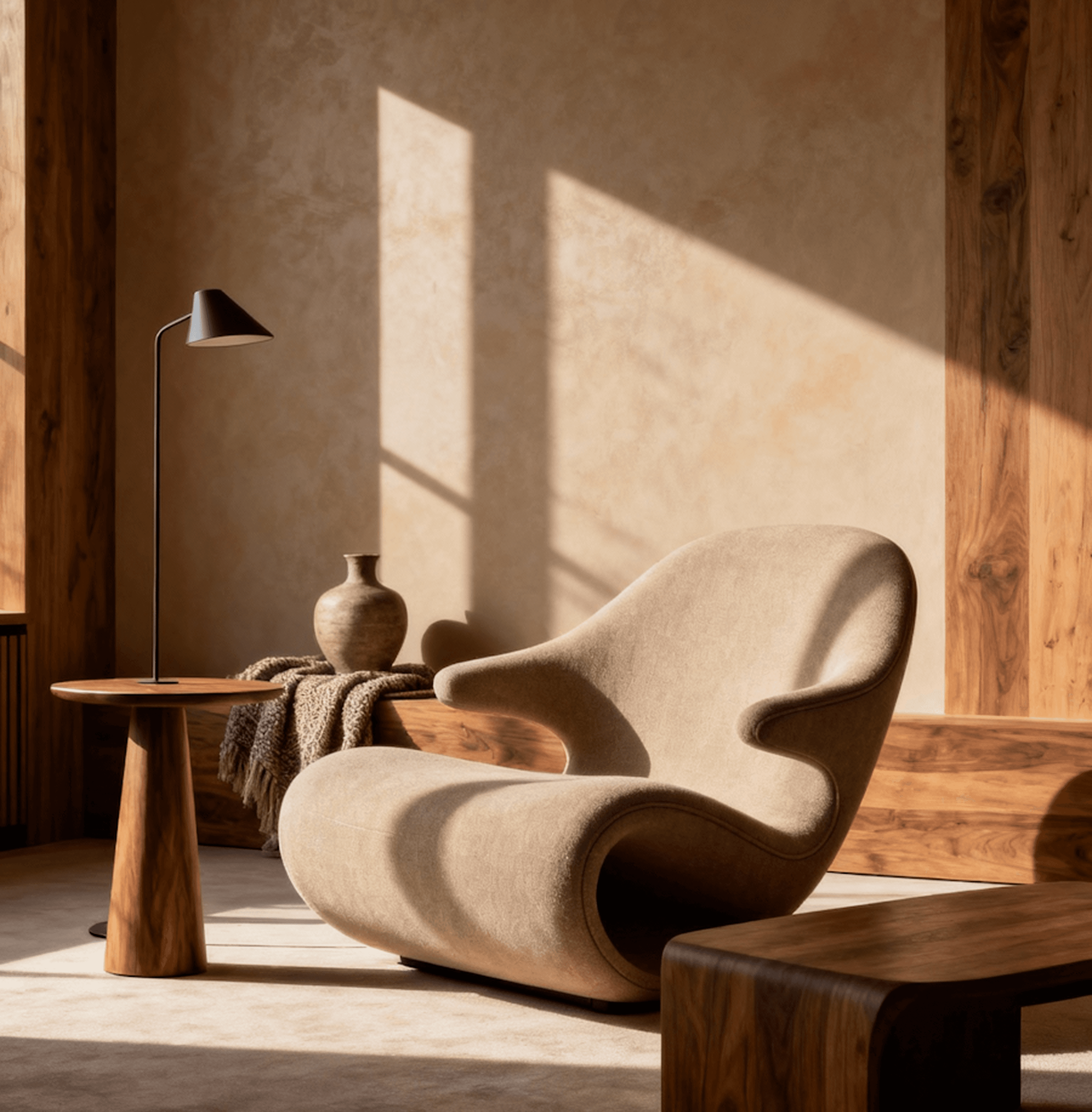
Form Follows Feeling: Studio DADO Unveils a New Brand Rooted in Empathy and Experience
A rebranding that asks not what a space looks like, but what it makes you feel.
Connecting People to Places
Hello from your full-service real estate marketing partner
The Quiet Room
On the practice of designing spaces for stillness in a loud world