
Jan 15, 2026
Material Memory
Why the best buildings are the ones that remember where they came from
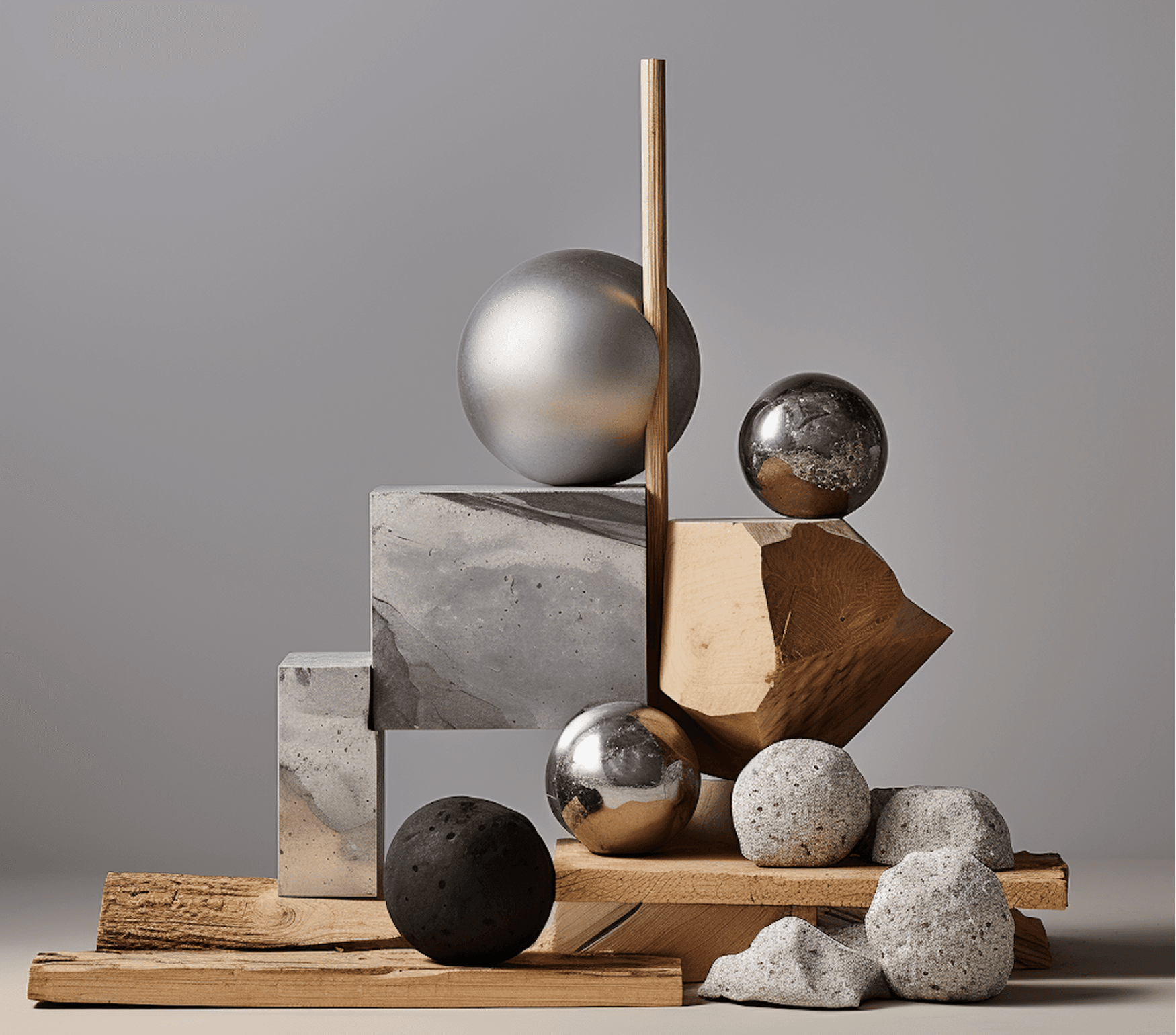
There is a stone quarry outside Lecce, in the heel of Italy's boot, from which builders have extracted the local limestone for more than two thousand years. The same material — warm, golden, soft enough to carve but durable enough to last centuries — lines the city's baroque facades and fills its medieval streets. To walk through Lecce is to understand, immediately and viscerally, what material memory means.
Contemporary architecture has largely abandoned this idea. Globalised supply chains, prefabricated systems, the logic of cost and schedule: these forces have produced a built environment that could be anywhere, which is to say: nowhere. The backlash, when it came, was inevitable.
A growing number of practices are now building what might be called a counter-history of materials — seeking out regional sources, reviving dormant craft traditions, designing buildings whose surfaces age visibly and honestly. The results are not nostalgic. They are, if anything, more contemporary: more attuned to the questions of belonging, rootedness, and time that define the cultural moment.
"We are not interested in the period-accurate or the vernacular," says one principal. "We are interested in the idea that a building should have a relationship to its place that you can read in its walls."
Photography — Studio Archive, Jan 15, 2026
A growing number of practices are now building what might be called a counter-history of materials — seeking out regional sources, reviving dormant craft traditions, designing buildings whose surfaces age visibly and honestly. The results are not nostalgic. They are, if anything, more contemporary: more attuned to the questions of belonging, rootedness, and time that define the cultural moment.
"We are not interested in the period-accurate or the vernacular," says one principal. "We are interested in the idea that a building should have a relationship to its place that you can read in its walls."
More Stories
View All
Form Follows Feeling: Studio DADO Unveils a New Brand Rooted in Empathy and Experience
A rebranding that asks not what a space looks like, but what it makes you feel.
Connecting People to Places
Hello from your full-service real estate marketing partner
The Quiet Room
On the practice of designing spaces for stillness in a loud world